
Andrew Huberman's Daily Schedule
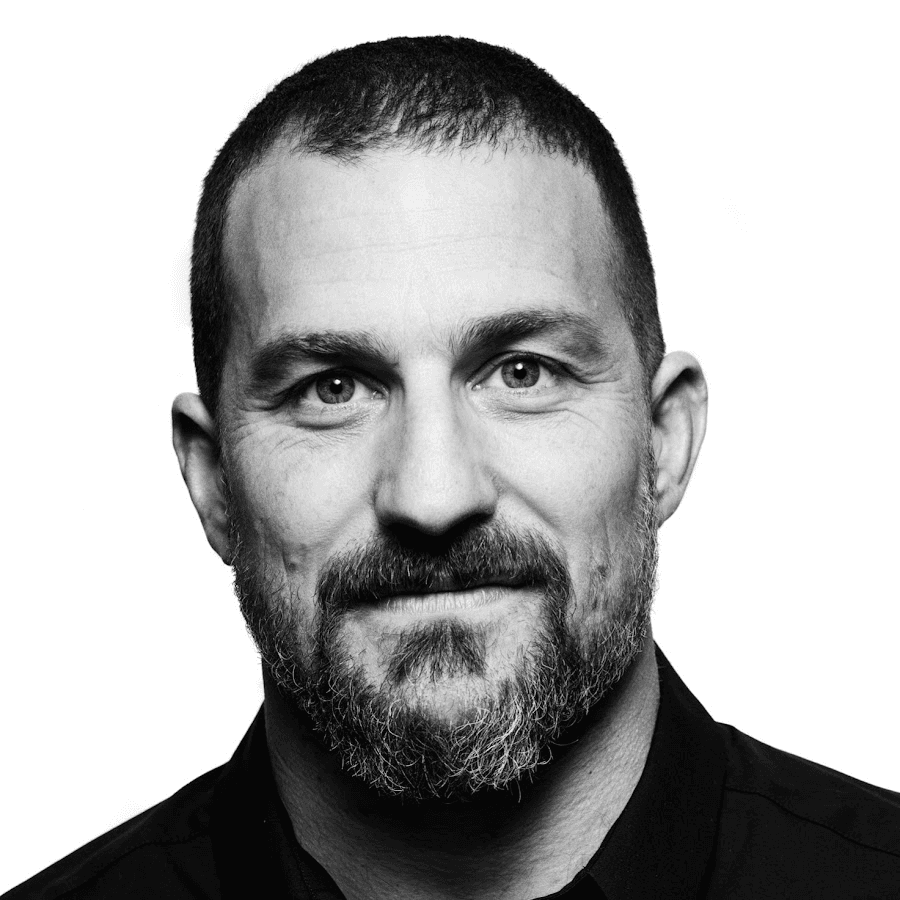
Dr. Andrew Huberman
Neuroscientist & Podcast Host (The Huberman Lab)
...
Andrew Huberman, Ph.D., is a neuroscientist and tenured professor in the Department of Neurobiology and by courtesy, Psychiatry and Behavioral Sciences at Stanford School of Medicine.
Dr. Huberman is also the host of the Huberman Lab podcast — the #1 Health & Fitness podcast on Apple Podcasts and Spotify.
- Writes down the time he woke up
- Gets sunlight immediately
- This is vital for mental & physical health and to set your circadian rhythm.
- Delays coffee intake until 90-120 minutes after awaking
- Instead, he opts for water w/ sea salt (for electrolytes)
- Drinks AG1
- While yes Huberman has sponsored AG1 on his podcast, he has also been a consumer long before sponsoring on the podcast. He stands by the product.
- Drink 2 glasses of water.
- Drinks AG1 by Athletic Greens (Buy here)
- Drinks LMNT (Buy here)
Why you should delay coffee intake for 90-120 minutes.
The longer we are awake, the longer the buildup of adenosine in the brain & body. Adenosine turns on the parasympathetic nervous system and suppresses the sympathetic nervous system.
- Higher adenonsine = more alert/awake
- Lower adenosine = less alert/sleepy
What is caffeine?
Caffeine, through some chemical steps, blocks the effects of adenosine, making you feel less tired and more alert.
Why the afternoon crash?
If you immediately reach for caffeine in the morning, you suppress the action of the adenosine in your body. When the caffeine wears off, the adenosine binds to the receptors with greater affinity and you have your afternoon crash.
How to prevent the afternoon crash?
Delay your intake of caffeine by 60-90 minutes after waking up. Caffeine essentially hijacks the natural adenosine build up. By delaying the coffee, you allow the adenosine to build up, so that when the caffeine wears off, you have some natural build up of adenosine.
Loading video...- 2-10 minutes of sunlight exposure while walking for optic flow
- Optional: Use an artificial light if the sun has not yet arisen. Get sunlight when it is available.
Benefits of Cold Exposure
Deliberate cold exposure offers a range of benefits for both the brain and body. By following proper protocols, individuals can experience increased energy, focus, mood, resilience, metabolism, physical recovery, and a stronger mind-body connection.
Energy and Focus: Cold exposure triggers the release of epinephrine and norepinephrine, enhancing alertness, focus, and providing a boost of energy that can be applied to mental and physical activities.
Resilience and Grit: Embracing the stress of cold exposure as a self-directed challenge strengthens top-down control over reflexive states, fostering resilience and grit that extends to real-world stressors.
Mood Enhancement: Cold exposure causes the release of dopamine, elevating mood, enhancing focus, attention, and goal-directed behavior, leading to sustained improvements in mood, energy, and focus.
Metabolism: Cold exposure increases metabolism in the short term as the body burns calories to maintain core body temperature. Conversion of white fat to metabolically active brown fat can provide long-term metabolic benefits.
Physical Recovery: Cold-water immersion after high-intensity exercise or endurance training can be an effective recovery tool, promoting muscle power, reducing muscle soreness, and enhancing perceived recovery.
Mind-Body Connection: Deliberate cold exposure improves the mind-body connection by challenging mental barriers, increasing resilience, and developing a greater sense of control over reflexive responses.
Importance Of Deliberate Cold Exposure
“Anchoring your mind in cognitive activities as you get into the cold can be very helpful for maintaining clarity of mind.”
"Personally get tremendous benefit from doing deliberate cold exposure three times a week and using the walls method"
"I'm staying in for anywhere from two minutes to six minutes per session and that averages out to about 11 to 15 minutes total per week."
"You're getting better perfusion and blood flow. The biggest effect is a big increase of 2.5 times in dopamine that lasts for several hours. You know it's a significant increase when you feel mentally clear and alert. It increases metabolism. Additionally, there's the process of getting into this cold water when you didn't want to, which overrides limbic friction and helps build resilience."
- Delays caffeine or tea intake by 2 hours after waking for adenosine regulation.
- Prefers Yerba Mate over coffee.
- Prioritizes deep thinking tasks early in morning before eating breakfast.
First Meal
Practices Intermittent Fasting. Usually fasts for 12-16 hours, and has his first meal early afternoon.
When eating breakfast, he usually eats a low-carb meal with meat and vegetables, but may add carbs like rice or oatmeal after intense exercise.
Potential Benefits of Intermittent Fasting
Intermittent fasting is a dietary pattern in which you cycle between periods of eating and fasting. There are many different forms of intermittent fasting, but one common method involves eating all of your daily calories within a 6-8 hour window and fasting for the remaining 14-16 hours. Some people believe that intermittent fasting has a number of potential health benefits, including weight loss, improved insulin sensitivity, and reduced inflammation. It may also help to improve heart health, increase longevity, and reduce the risk of chronic diseases like type 2 diabetes and certain types of cancer.
Dr. Huberman's in-depth podcast on Fasting and Time-restricted Feeding.Routine
According to Dr. Huberman sleep is the best nootropic, stress relief, trauma release, immune booster, hormone augmentation, and emotional stabilizer. It is no surprise his entire routine is geared towards optimizing it.
Benefits of Sleep Supplements
"There are supplements that for most people will greatly improve their ability to fall and stay asleep and the three main supplements in that category or that kit of Momentous Sleep Supplements (Buy full sleep stack here).
"The ideal time to take those is 30 to 60 minutes before bedtime"
Magnesium Threonate 145 mg by Momentous (buy)
100-400mg Theanine by Momentous (buy)
50mg Apigenin by Momentous (buy)
3-4 nights per week I also take 2g of Glycine and 100mg GABA
"I would start with one supplement (or none!) and then add one at a time as needed. Some people do not need any supplements, and some people like theanine but not magnesium, etc. so you have to determine what is best for you. I use supplements from Momentous for all of the above."
"So every third or fourth night, I will take two grams of glycine and a hundred milligrams of GABA in addition to the standard sleep stack that I talked about before. So I'm taking mag threonate, apigenin, and theanine, and then I will also take two grams of glycine and GABA, which I find greatly enhances my ability to get into sleep."

Wake Up
6-6:30am
Dr. Andrew Huberman is known for many things, but especially his morning protocols.
Wakes up naturally between 5:30 am and 6:30 am. For Andrew Huberman's morning routine, he doesn't use an alarm.
"Waking up early, usually around 5:00 or 6:00 am helps you feel more energized and focused throughout the day. Additionally, early mornings are beneficial for regulating circadian rhythms, which can help to improve sleep quality."
Dr. Huberman
Directly after waking up Huberman:
. . .
Morning Routine Hydration
6:00am
“I’ve been using AG1 since 2012 because it’s the simplest, most straightforward way for me to get my basis of important vitamins, minerals, and probiotics."
Andrew Huberman on Athletic Greens
"I should mention the Athletic Greens is delicious. I love the way it tastes. I mix mine with some water and a little bit of lemon or lime juice."
"Whenever somebody has asked me what's the one supplement they should take, I always answer AG1 by Athletic Greens."
Dr. Huberman on electrolytes in the morning routine
"Your nervous system and your neurons particularly depend on electrolytes because you need the electrolytes, sodium, magnesium, and potassium, in the proper ratios, in order for those nerve cells to fire what are called action potentials"
"Typically, what I do in the morning is I hydrate, I do take an electrolyte drink, which is a salt-heavy electrolyte drink called LMNT. LMNT is an electrolyte drink that has everything you need in order to get your brain and body to function at its best, but none of the things you don't, in particular, sugar"
. . .
. . .
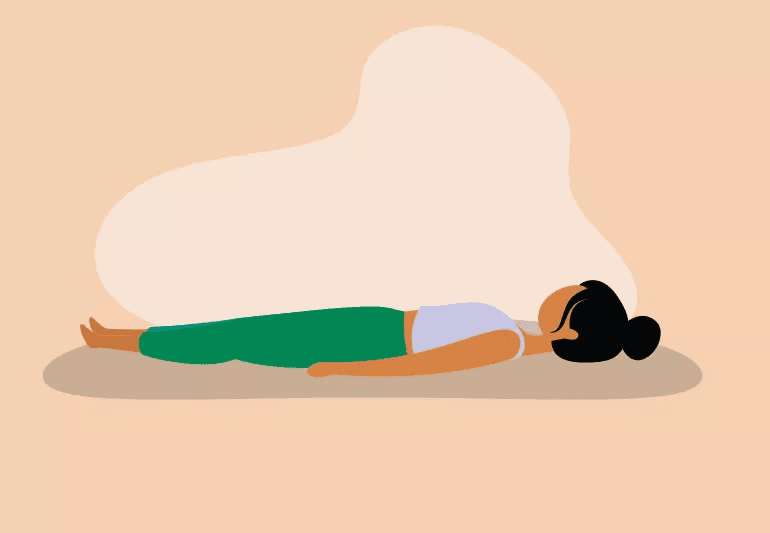
Yoga Nidra
6:00am
If you wake up not fully rested, Yoga Nidra can help you start your day efficiently. This technique can assist you in achieving a sleep-like state and replenishing dopamine, reducing cortisol, and decreasing total sleep need.
Some links to yoga nitras:
Dr. Huberman on Yoga Nidra (Non-Sleep Deep Rest)
“There are some interesting data published showing that these yoga nidra meditations, if you will, can upregulate some of the neurotransmitters in the brain, including dopamine, that make you prepared for action.”
“There was this lore in the yoga nidra community that 30 minutes of yoga nidra is equivalent to 4 hours of sleep. Frankly, I don’t think there’s any evidence for that specific statement. But when I started doing this practice and exploring it, I found that I would come out of a 30-minute yoga nidra session feeling like I slept 5, 6 hours or longer.”
Read Dr. Huberman's Extensive coverage of NSDR and sleep optimization here.
Yoga Nidra and it's benefits
Yoga nidra, also known as "yogic sleep," is a type of relaxation practice involving guided body scans and visualizations. It aims to bring the mind and body into a deep relaxation state akin to the state between wakefulness and sleep. Some studies suggest that it may improve sleep quality, reduce insomnia symptoms, and alleviate stress and anxiety. Despite its potential benefits, it's crucial to remember that yoga nidra should not replace medical treatment for sleep disorders.
. . .
Sun Exposure
6:45am
Dr. Huberman on the Benefits of Morning Sunlight
“View morning sunlight!” is one of my common refrains. Viewing sunlight within the first hours of waking (as soon as you can, even if through cloud cover) increases early-day cortisol release (the ideal time for elevated cortisol) and prepares the body for sleep later that night. A morning spike in cortisol will also positively influence your immune system, metabolism and ability to focus during the day.
"The single best thing you can do for your sleep your energy your mood your wakefulness your metabolism is to get natural light in your eyes early in the day. This is grounded in the core of our physiology. There are literally hundreds, if not thousands, of quality peer-reviewed papers showing that light viewing early in the day is the most powerful stimulus for wakefulness throughout the day and it has a powerful, positive impact on your ability to fall and stay asleep at night. So this is really the foundational power tool for ensuring a great night's sleep and for feeling more awake during the day."
On Alternative Lighting
“If you wake up before the sun rises, flip on as many lights as you can in your space if you want to be awake in your artificial light environment. And then, once the sun is out, go outside.”
On Optic Flow
“There are now at least half a dozen quality papers published in quality peer-reviewed journals that show that forward ambulation — walking or biking or running — and generating optic flow in particular has this incredible property of lowering activity in the amygdala and thereby reducing levels of anxiety.”
. . .
Cold Exposure
7:00am
Cold exposure can be done as an ice bath or a shower. Ice baths have been shown to be more effective but cold showers can work too.
Resilience: 1X weekly, 1-3 min
Metabolism: 2X weekly / 11 min total
Recovery: 3-6 min after training
How cold? “I really want to get out but can stay in safely”. (~45F or ~7C)
. . .
. . .
Andrew Huberman's Workout Routine
7:30am
Sunday – Endurance;
Monday – Legs;
Tuesday – Heat/cold cycling;
Wednesday – Torso push/pull;
Thursday – High effort, short cardio;
Friday – High-intensity interval training
While it's important to customize the routine to fit your personal needs, be sure to maintain the overall goals of the schedule. The specific days of each workout can be adjusted, but it's important to maintain proper spacing between exercises.
Dr. Huberman's workout supplement recommendations
Official supplements by Momentous Supplements as Endorsed by Dr. Huberman
Alpha-GPC by Momentous (buy): 300mg, 30-60 minutes before key workouts. Alpha-GPC promotes the release of acetylcholine, a neurotransmitter involved in memory, attention and skeletal muscle contraction. It has been shown to increase power output in athletes.
Tyrosine by Momentous (buy): 500mg, 30-60 minutes before key workouts. L-Tyrosine is an amino acid that can increase the production of dopamine and related neurotransmitters that positively impact energy, motivation and mood. Thus, L-Tyrosine is a powerful tool for enhancing exercise performance.
Creatine by Momentous (buy): 5g daily. Creatine is a molecule that stores high-energy phosphate groups that ultimately lead to the regeneration of ATP, the primary energy carrier in the body. In thousands of studies, creatine has been shown to effectively increase exercise performance.
Grass-fed Whey Protein by Momentous (buy): 40g, 30-60 minutes after workout. Whey protein is a well-absorbed source of protein that is useful for post-workout fueling. Research shows that consuming whey protein benefits muscle gain and fat loss, particularly post-workout.
Dr. Huberman's Fitness Routine
Sunday: Endurance – at least 30 minutes of cardio, ideally 60-75 minutes of zone 2 cardio such as jogging or hiking. Tip: use a weight vest for an extra challenge on shorter workouts.
Monday: Legs – Quads, Hamstrings, Calves. Why legs on Mondays? Training the largest muscle group when you're fresher sets off metabolic processes that elevate metabolism & amplify hormonal events. Get the hardest workout out of the way and move on.
Tuesday: Heat/cold cycling – ideally, hot sauna (20 minutes) + ice bath (5 minutes) x 5 rounds. Check out the notes for best practices and the benefits of heat or cold.
Wednesday: Torso – Push/Pull. Working push/pull enhances strength and joint integrity, and amplifies hormonal effects. Sample exercises: shoulder press, chin-ups. Important tip: don't forget to train your neck safely to reduce shoulder risk of injury and discomfort.
Thursday: Brief Cardio at 75-80% Effort – 35 minutes of running / rowing / cycling / stairs / jump rope, deeper than zone 2 but not all-out effort.
Friday: High-Intensity Interval Training (HIIT) – goal is to get heart rate way up and tap into strength & hypertrophy training for legs without weights.
Sample exercise: intervals on bike 20-30 second all-out sprint + 10 seconds rest x 8-12 rounds. For most people, max heart rate = 220-age. Only do all-out movements with perfect form.
Saturday: Arms, Calves, Neck – Indirect training for torso. Sample exercise: triceps dip, chin up, dumbbell curls, incline curls, triceps kickback. Tweak the routine and shift to personalize but keep the broad goals – the specific days of each workout aren’t critical but the exact spacing is.
Huberman does a hack squat, leg extensions, seated calf raises, leg curls, glute hamstring raise, etc. Huberman does not do squats or deadlifts.
. . .
Morning Caffeine
10:00am
Benefits of Delaying Morning Caffeine
"I highly recommend that everybody delay their caffeine intake for 90 to 120 minutes after waking. However painful it may be to eventually arrive at that 90 to 120 minutes after waking, you want, and I encourage you, to clear out whatever residual adenosine is circulating in your system in that first 90 to 120 minutes of the day. Get that sunlight exposure, get some movement to wake up, and then, and only then, start to ingest caffeine because what you'll do if you delay caffeine intake until 90 to 120 minutes after waking is you will avoid the so-called afternoon crash"
"And if you drink caffeine at any point throughout the day, really try and avoid any caffeine, certainly avoid drinking more than a hundred milligrams of caffeine after 4:00 p.m and probably even better to limit your last caffeine intake to 3:00 p.m. or even 2:00 p.m"
Significance of Morning Caffeine
"If I'm going to do a resistance training workout, which is what I do three times a week, I will drink yerba mate. I usually brew my own. I'm a big fan of yerba mate because of the caffeine source. It also has a different caffeine-like substance in it. It also is not as dehydrating as coffee, but I also just really like it. But people should avoid the smoked varieties. The smoked varieties can be carcinogenic."
. . .
. . .
Yoga Nidra
3:00pm
Optional: If Dr. Huberman is still feeling unrested he will do another 10-30 minute Yoga Nidra session.
Some links to yoga nitras:
. . .
Evening Cardio
6:30pm
According to Dr. Huberman on social media, it may be more beneficial to do cardio workouts in the evening instead of weight training. However, he emphasizes that it's important to do what feels comfortable for you. He also mentions that there could be some advantages to doing a morning workout and saving cardio for the evening.
. . .
Evening Meal
7:00pm
Eats 3-4 hours before bedtime
Eats carbs for replenishing glycogen levels and helps with sleep
Avoids eating too much meat before bed to avoid long gastric clearance.
Dr. Huberman's approach to his evening meal
In the Huberman Lab podcast, he focuses on starch for his last meal of the day, as it helps him sleep better. Starchy carbohydrates like pasta, rice, potatoes, etc. can decrease the time it takes to fall asleep and increase serotonin and tryptophan levels. Serotonin is a mood stabilizer that promotes good sleep quality, and tryptophan is an essential amino acid that is a precursor for several hormones, including melatonin and serotonin. Andrew also includes vegetables and sometimes lean protein like tuna or salmon, and if he's not training as much, he reduces the carbohydrate intake by half. He notes that eating too much meat before sleep can negatively affect his sleep quality and that meat has a long gastric clearance time, which may contribute to poorer sleep.
. . .
Huberman's Pre-Sleep Routine
9:30pm
Dims Lighting
"Avoid viewing bright lights—especially bright overhead lights between 10 pm and 4 am.
Here is a simple rule: only use as much artificial lighting as is necessary for you to remain and move about safely at night. Blue blockers can help a bit at night but still dim the lights. Viewing bright lights of all colors are a problem for your circadian system. Candlelight and moonlight are fine."
Detriments of Blue Light in the evening
Exposure to blue light, particularly in the evening hours, can have negative effects on sleep. Blue light is a type of light with a short wavelength that is found in natural sunlight. It has been shown to suppress the production of the hormone melatonin, which is involved in the body's sleep-wake cycle. When we are exposed to blue light at night, it can disrupt the body's natural sleep-wake cycle, making it more difficult to fall asleep and stay asleep.
Research has shown that exposure to blue light in the evening can disrupt the body's natural circadian rhythms, causing a delay in the release of melatonin and making it harder to fall asleep. In addition, blue light has been found to reduce the amount of deep sleep that people get, which is important for physical and mental restoration.
To help minimize the negative effects of blue light on sleep, it is recommended to reduce exposure to screens (such as phones, tablets, and computers) in the hours leading up to bedtime, and to use screens that have a blue light filter or to use blue light blocking glasses. It is also recommended to avoid bright lights and to use dimmer lighting in the evenings, as this can help to promote the production of melatonin and improve sleep quality.
Want to find out more about Andrew Huberman's sleep schedule? Read our article on his extensive sleep routine.
Reads
Huberman attempts to get daily reading in when he can. Right before bed seems to be perfect for winding down and avoiding screen time.
. . .
. . .
Disclaimer: The information presented on this website are for informational and entertainment purposes only. Please consult a medical professional when considering changes to your routine, supplements, etc.
Additionally, please note that some product links in our content are affiliate links. While not all routines & products are officially endorsed by the individuals mentioned, we strive to ensure that the information we provide is accurate and up-to-date.